STUART

About

The person behind
the methodology.

Dr Stuart Nolan is the originator of the Threefold Model of Empathy and the only trainer in the world who works at all three dimensions — cognitive, emotional, and physical. This is why it works when other approaches don't.

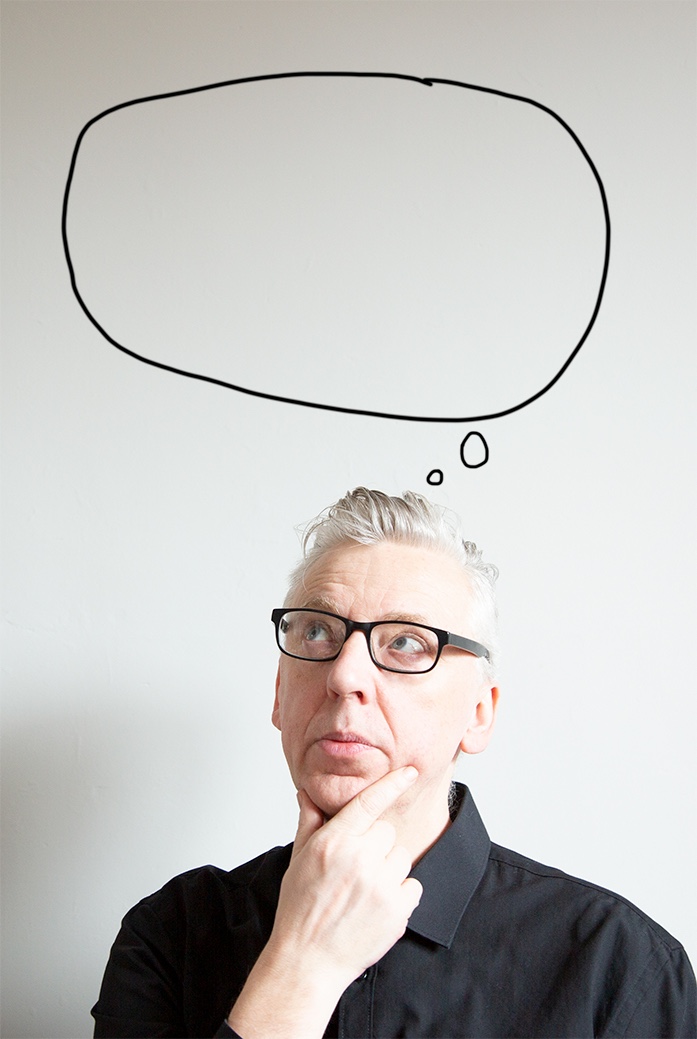
Dr Stuart Nolan — portrait with thought bubble

Dr Stuart Nolan

Researcher, trainer,
and practitioner.

Dr Stuart Nolan built the Threefold Model from three sources that rarely appear in the same biography: a research background in neuroscience, a NESTA fellowship investigating the science of human perception, and a personal history that made understanding empathy a matter of survival.

His research credentials span two fields. A degree in Cell Biology gave him the scientific foundation for understanding how the body communicates at a physiological level. A PhD at Lancaster University — six years examining the neuroscience of thought, perception, and physical signal — gave him the solid theoretical foundation the Threefold Model is built on.

The second thread began when the National Endowment for Science, Technology and the Arts invited Stuart to investigate a question that had been largely overlooked: what if the techniques developed by stage performers to read and influence people — physical attunement, involuntary signal, the body's broadcast of intention — could be transferred systematically to other fields? As a NESTA Fellow in Applied Magic, Stuart studied those techniques with some of the world's leading practitioners, then transferred them into healthcare, leadership development, and technology innovation. The organisations he has worked with — the NHS, the BBC, GoogleX, the Library of Congress — were not engaging a performer. They were engaging a researcher who had identified something that worked in live, high-pressure situations and wanted to understand why.

The third thread is personal. Stuart is a survivor of serious childhood violence, and learned early that reading other people's emotional and physical states accurately was not an intellectual exercise — it was a survival skill. One of the hardest insights that came from that experience was this: his abusers were not unempathetic. They were, in some respects, acutely so — able to read distress with precision and respond to it in real time. What they lacked was care. That observation — that empathy without care is not compassion but a form of power — sits at the foundation of everything SNC teaches. It is not enough to make someone more sensitive. You have to make them more responsible with that sensitivity.

Those three threads — the neuroscience, the applied research into physical reading, and a hard-won personal understanding of what empathy actually is — converged into the methodology on this site. The rest of this page explains what that looks like in practice.
By the Numbers

Fifteen years of delivery.
Documented results.

2,500+
People trained
15+
Years delivering
8
University collaborations
14
Sectors served
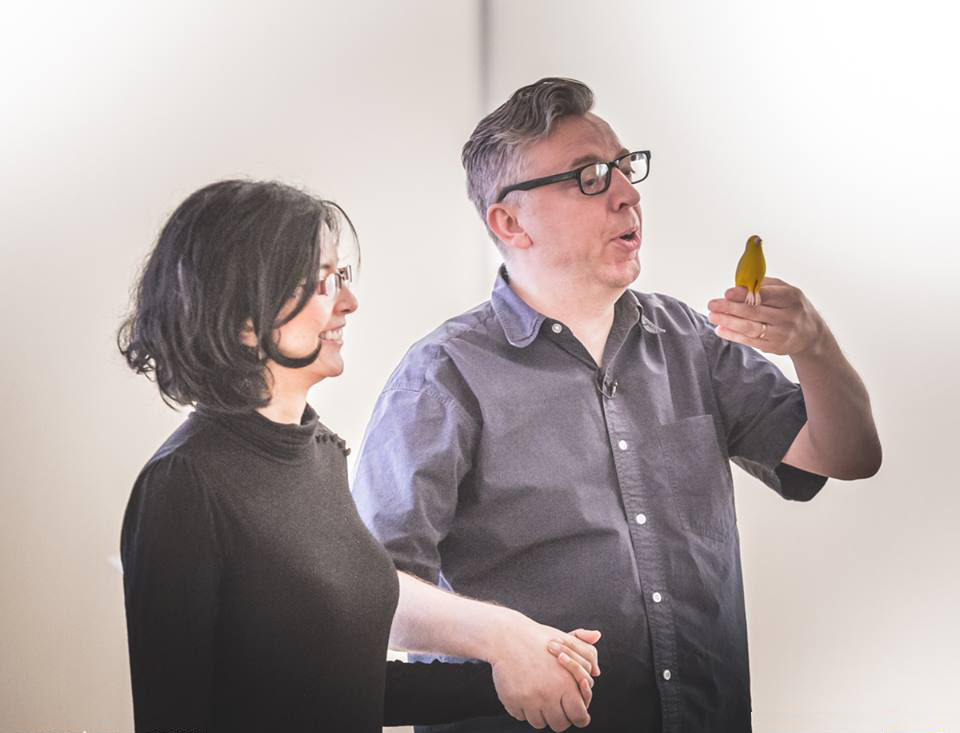
Dr Stuart Nolan delivering a training session

In the Room

Every session is
personal.

All SNC delivery is by Stuart personally. No associates. No licensed facilitators. The physical empathy exercises require a practitioner who has spent years developing the sensitivity to read a room — and to adapt, moment by moment, to what the room is experiencing.

This is what clients consistently say they value most. It is also what makes the Train-the-Trainer programme the most demanding thing SNC offers: you are learning to do what Stuart does, not to repeat what he says.

See how we work →

The Threefold Model

Why two dimensions of empathy
were never enough.

Every empathy training programme in existence works with two dimensions. Cognitive empathy — the ability to understand another person's perspective. Emotional empathy — the capacity to feel what they feel. These are real. They matter. But they are not sufficient to change behaviour.

Stuart's research identified a third dimension that the existing literature had overlooked: physical empathy. The body's ability to read and respond to another person's state through involuntary physiological signals — the kind of signals that can be trained, observed, and measured.

The exercises that demonstrate this are not metaphors or role plays. They are based on psychophysiological research at Aberdeen University and related work in embodied cognition. In practice, they do something that no purely conceptual training can do: they convince the sceptic in the room, in under ten minutes, that empathy is a physical phenomenon they are already experiencing — and can learn to use.

Physical empathy is not a soft skill. It is a trainable biological capability that produces observable, repeatable behaviour change.

↳ The Threefold Model — PhD-validated · 11+ case studies · 14 sectors
H
Head · Cognitive Empathy

Understanding another person's perspective intellectually. Essential. Already taught. Not sufficient on its own to produce behaviour change.

H
Heart · Emotional Empathy

Feeling what another person feels. The basis of trust and connection. Powerful — and easily overwhelming without the third dimension to ground it.

H
Hands · Physical Empathy

The body's ability to read and respond to another's physical state. Named by NHS clinicians. The missing dimension. The one that changes behaviour.

Where the Work Has Been Done

Fourteen sectors.
One methodology.

The Threefold Model has been tested and documented across a deliberately wide range of organisations — from NHS clinical teams to technology companies, from financial services to education. The methodology adapts its framing, evidence base, and case studies to the sector. The physical exercises at its core do not change.

Healthcare & NHS

Independently evaluated across four NHS cohorts. Research and Development North West. Clinical leadership, safeguarding, and patient communication.

Technology & Digital

AI adoption, digital transformation, and cross-functional team performance. Resolving the human layer where technology implementations fail.

Financial Services

Client relationship quality, ethical judgement under pressure, and high-stakes communication in regulated environments.

Education & Academia

University leadership programmes. Teacher and lecturer professional development. Student wellbeing and relational learning environments.

Public Sector & Local Government

Service delivery quality, workforce wellbeing, and leadership under scrutiny. Aligned with Ofsted, CQC, and HMICFRS frameworks.

Manufacturing, Logistics & More

SME leadership, interdepartmental collaboration, and customer-centric strategy across retail, creative, logistics, and professional services.

"Not soft skills but hard-nosed, results-focussed, challenging and effective. The impact was significant, immediate, measurable, and lasting."
Impact Assessment Report · UK Manufacturing Client
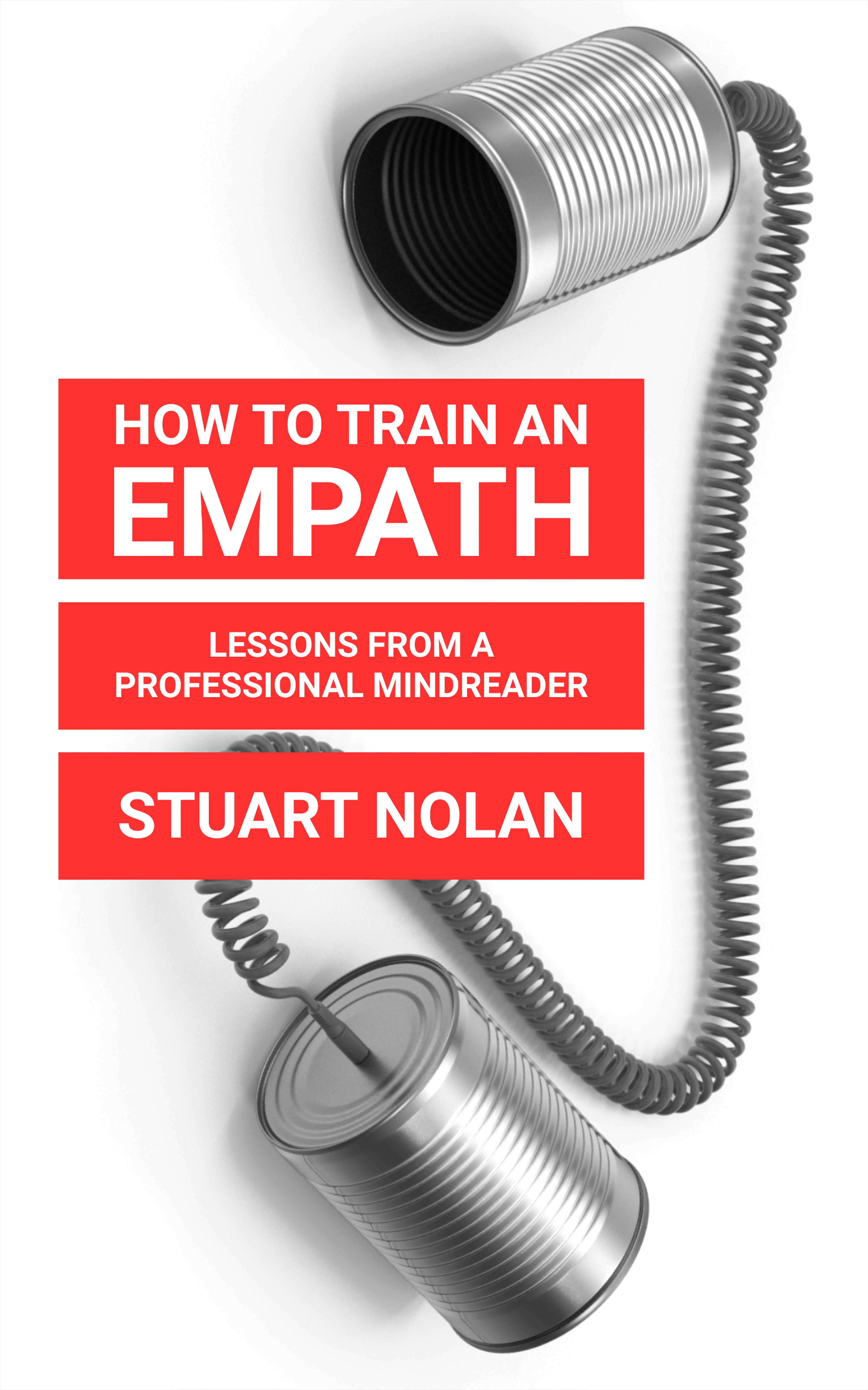
How To Train An Empath — book on physical empathy training by Stuart Nolan

The Book

How To Train
An Empath.

The science, the story, and the exercises behind the Threefold Model. Written for leaders, HR professionals, and anyone who needs empathy to do more than sound good in a strategy document. Practically useful. Unlike anything else on the shelf.

Work with Stuart directly.

Every engagement — from a 30-minute keynote to a 12-month programme — is delivered personally. A discovery call takes 30 minutes and costs nothing. We'll work out whether there's a fit before any proposal is written.

Book a Discovery Call